
Have you ever found yourself confused by the cloud? You’re not alone. The cloud computing models, Infrastructure as a Service (IaaS), Platform as a Service (PaaS), and Software as a Service (SaaS), can feel like a digital maze. But worry not. This article will clear up the confusion faster than you can say “cloud computing”. Picture this: sipping your coffee while understanding how each model plays a crucial role in the tech ecosystem. Buckle up as we jump into this engaging journey of cloud models, backed with eye-catching diagrams and insightful use cases.
What Is IaaS?
IaaS, or Infrastructure as a Service, is a cloud service model that provides virtualized computing resources over the internet. Instead of investing heavily in physical servers and data centers, businesses can rent infrastructure from cloud providers on a pay-as-you-go basis. This flexibility allows companies to manage workloads more efficiently without the headache of dealing with hardware upkeep.
Key Features of IaaS
- Scalability: IaaS offers dynamic scaling capabilities, accommodating resources based on demand. When traffic surges, users can quickly ramp up resources, in minutes.
- Cost-Efficiency: Organizations pay only for what they use, thereby converting hefty capital expenditures into manageable operational costs.
- Network and Storage Management: Users gain access to high-performance networking capabilities alongside attractive storage solutions.
- Automation Features: Many IaaS providers include automation tools for deploying apps and managing resource allocation, allowing for quicker responses to business needs.
Use Cases for IaaS
Organizations with fluctuating workloads can greatly benefit from IaaS. For instance, a startup that experiences rapid growth may need more resources temporarily without committing to long-term contracts. Other compelling use cases include disaster recovery and testing environments, where immediate access to infrastructure is essential without the commitment of physical servers.
What Is PaaS?
PaaS, or Platform as a Service, takes cloud computing a step further by providing an environment for developers to create, test, and deploy software applications. Think of it as a springboard for innovation, allowing developers to focus on building applications without worrying about the underlying infrastructure.
Key Features of PaaS
- Development Frameworks: PaaS environments come equipped with development frameworks, which simplify app building by providing all necessary tools in one package.
- Integrated Development Environment (IDE): Many PaaS providers offer IDEs that enable developers to code directly in the cloud without needing local development setups.
- Collaboration Tools: The cloud easily supports collaboration by allowing developers from different locations to work simultaneously on the same project.
- Built-in Security: With PaaS, many security features come baked in, which ensures that applications are secured without the need for extensive development work.
Use Cases for PaaS
PaaS is perfect for companies looking to develop complex applications without needing to manage all the infrastructure that supports them. For instance, software development teams can rapidly prototype new apps, and businesses can leverage PaaS for mobile app development.
What Is SaaS?
SaaS, or Software as a Service, delivers software applications over the internet on a subscription basis. Whether it’s for managing finances, customer relationships, or project management, SaaS solutions have become the go-to choice for businesses looking to streamline operations.
Key Features of SaaS
- Accessibility: Users can access SaaS applications from any virtual access point, whether that’s a computer or a mobile device. Just log in and go.
- Automatic Updates: Providers handle software updates, ensuring that users always have the latest features without manual installation.
- Subscription-Based: Businesses avoid large upfront costs by paying for SaaS based on usage plans that suit their needs, be it monthly, annually, or by user.
- Scalability: As a business grows, it can quickly add more users or features without significant interruptions.
Use Cases for SaaS
Examples of SaaS applications are abundant. Popular platforms like Zoom for video conferencing, Salesforce for customer relationship management, and Google Workspace for collaborative document editing showcase how flexible and valuable SaaS solutions can be for regions from startups to large enterprises.
Comparing IaaS, PaaS, and SaaS
Understanding the differences and synergies between IaaS, PaaS, and SaaS is crucial for choosing the right approach for your business.
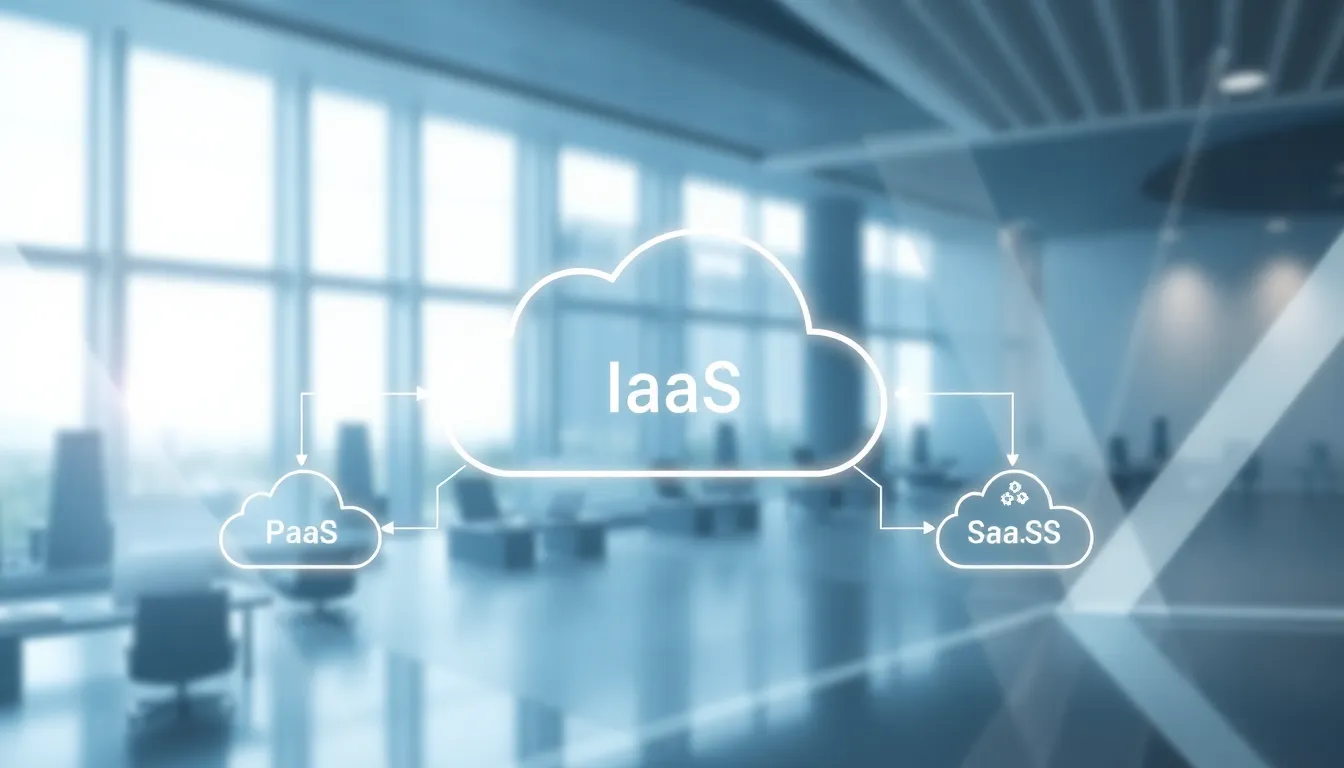
Diagram of IaaS, PaaS, and SaaS
This diagram visually outlines how IaaS, PaaS, and SaaS function within the cloud computing space. You can see how infrastructure is at the base, with PaaS above that facilitating application development, and SaaS sitting at the top, delivering software directly to users.
Benefits of Each Model
- IaaS: Ideal for businesses needing flexible infrastructure. Organizations can innovate faster without being bogged down by hardware constraints.
- PaaS: Enhances developer productivity, allowing teams to collaborate effectively and streamline testing and deployment.
- SaaS: Lowers barriers to entry for software applications, providing tools that ensure teams remain efficient without the need for extensive IT resources.
Choosing the Right Model for Your Business
Selecting the best cloud model hinges on understanding business needs and workload requirements. For companies with intense software development demands, PaaS often emerges as a top choice, increasing collaboration and expediting time to market.
If your organization requires a robust infrastructure to run applications without the capital expenditures, IaaS could be your superhero. Meanwhile, if you prefer convenience and accessibility, when software solutions are your priority, SaaS emerges as the clear winner. Always assess not just current needs but also anticipate future requirements.